
My Review:
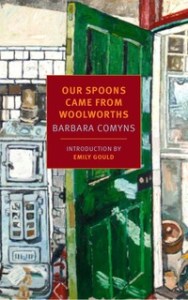 This book is narrated by Sophia Fairclough, the main character of the book and deals with her rather difficult life during the 1930’s in London. The language is very simple and straightforward, which is so fitting for Sophia; it’s as if we are reading her diary or sitting and listening to her story over an afternoon cup of tea.
Sophia meets Charles and they instantly fall in love and decide that they want to get married. Even though they are only twenty-one years old and his family does not approve of her at all, they decide to get married. They settle on a “secret” and “private” marriage at the local church, but they tell so many people that on the day of the ceremony the church is full of friends, family and odd acquaintances.
The book starts out on a very humorous tone as Sophia is extremely naïve about marriage, sex and motherhood. Charles is an artist, a bit of a delicate genius, who can’t possibly put aside his art to get a proper job to support his wife. Sophia is the main bread winner of the family and Charles is a terrible manager of their money. Whenever they have a few extra shillings he spends it on frivolous things like painting supplies, wine and dinners. Sophia is too naïve about living life as an adult to ask that her husband go out and get a job. When she becomes pregnant and is forced to quit her job Charles is annoyed at having a baby in the house and having his only source of income cut off.
The scenes in which Sophia finds out about her pregnancy are absolutely hilarious. She is genuinely surprised that she could be having a baby at all; she thinks that if she wills herself not to be pregnant then she won’t have a baby. When she goes to the hospital to have the baby she is shocked by the poking and prodding and the indignity of the whole process, right down to the horrible hospital bed clothes that she is forced to wear.
It is obvious from the very first sentence of the book that Sophia and Charles’ marriage does not end well. As their marriage becomes increasingly difficult financially, emotionally and physically, Charles stays away from their home for longer and longer periods of time. The humor that was spread throughout the first part of the book is noticeably absent in the send half of Sophia’s tale. She suffers a great deal as her marriage disintegrates.
But in the end, Sophia learns an important lesson about resiliency and happy endings. Even though she has suffered many trials and tribulations with and because of Charles she never becomes jaded or bitter. She is guarded, yes, but never bitter.
The New York Review of Books has brought another brilliant classic to our attention. I highly recommend this book for its humor, interesting storyline, and strong female character in the form of Sophia.
About the Author:

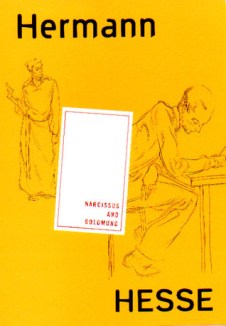 This is one of those classic books that is very difficult to review and do it justice because there are so many ideas contained within the book. It is a coming-of-age story, a commentary on existential philosophy and a beautiful description of a life long friendship. Narcissus is a teacher’s assistant in the cloister of Mariabronn and fully intends to take his vows as a monk. Narcissus is a very talented scholar and it is evident that he will one day serve the church and even become the Abbot of the cloister. He is a cerebral man who values the intellect but his emphasis on the rational also prevents him from having any real friendships or meaningful love in his life. But this all changes when a young boy by the name of Goldmund is dropped off at the cloister by his father.
 Hermann Hesse was a German-Swiss poet, novelist, and painter. In 1946, he received the Nobel Prize in Literature. His best known works include Steppenwolf, Siddhartha, and The Glass Bead Game (also known as Magister Ludi) which explore an individual’s search for spirituality outside society.
 For those of you that are not new to my blog, you might have noticed that this book has a place in my “favorites” section. In this book we are introduced to William Stoner who is born at the turn of the century into a very poor farm family in rural Missouri. Stoner would have also become a farmer like his father and when he is given a scholarship to the state university, he fully intends to study agriculture. But through the influence of a tough but inspiring English professor, Stoner changes his major to English and he himself becomes a University English professor.





 The Book Binder's Daughter