
I recently stumbled across a sale that Melville House Publishers was having on their novella series. They have released 56 novellas from famous authors across the world. I chose two titles, A Simple Heart by Gustave Flaubert and The Eternal Husband by Fodor Dostoevsky to review here. Please check out all of the great titles in their selection. You can even buy a subscription to the novella series and have novellas show up on your doorstep every month: http://www.mhpbooks.com/series/the-art-of-the-novella/
A Simple Heart by Gustave Flaubert:
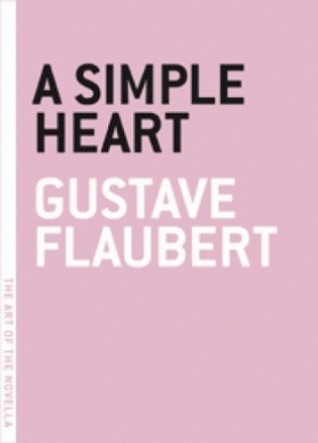 This novella introduces us to a simple servant woman who is cast out of her own home as an orphan at an early age and searches for intimacy and love for the rest of her life. Felicite falls in love with a young man who ends up rejecting her so that he can marry a rich, old widow and avoid conscription. After this disappointing heartache, Felicite never finds another man that she can trust her heart to. When she comes into the service of Madame Aubain, a young widow with two small children, she is the most faithful and loyal servant anyone could ask for. Felicite bestows love on the two children who eventually leave home for school and meet a sorrowful end due to illness. Felicite is also given a parrot which she lavishes with love and attention. But, like everyone else in her life that she has loved, he dies and leaves her. This is not a tale with a happy ending but gives us a realistic view of life, love and loss.
The Eternal Husband by Fodor Dostoevsky:
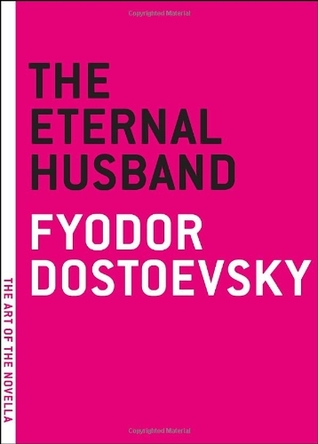 The story opens with Velchaninov living in St. Petersburg in an apartment flat by himself trying to iron out the details of a lawsuit. He has become increasingly depressed and melancholy and has eventually cut himself off from all of his friends and acquaintances. One day an old friend, whom he has not seen for nine years, shows up on Velchaninov’s doorstep. He is stunned to see his friend after so many years and further shocked when Trusotsky announces that his wife has died of consumption. Velchaninov had an affair with Trusotsky’s wife and that is the main reason he hadn’t visited the couple for nine years. When Trusotsky’s wife broke the affair off, Velchaninov vowed never to see either of the again.
Velchaninov describes Trusotsky as “an eternal husband,” which to him means a man that is subservient to a domineering wife. Nowadays we might call Trusotsky “henpecked” or “whipped.” Trusotsky descends into a depression that is fueled by excessive drinking; he turns out to be a man who cannot live without a wife, who cannot operate in the world without the confines of a marriage. In typical Dostoevsky fashion, we get a glimpse into the male psyche and an interesting and ironic storyline. I thoroughly enjoyed this story as much as his longer works.
According to the Melville House website, novellas are oftentimes ignored by academics and publishers. I would love to hear about other readers’ favorite choices as far as this overlooked style of writing. Do you like novellas and, if so, what are some of your favorites?





 The Book Binder's Daughter